In the Circuit Shown Below the Readings of the Voltmeter and Ammeter Will Be
Download the questions hitherThe password to open up the file is - teachooisbest
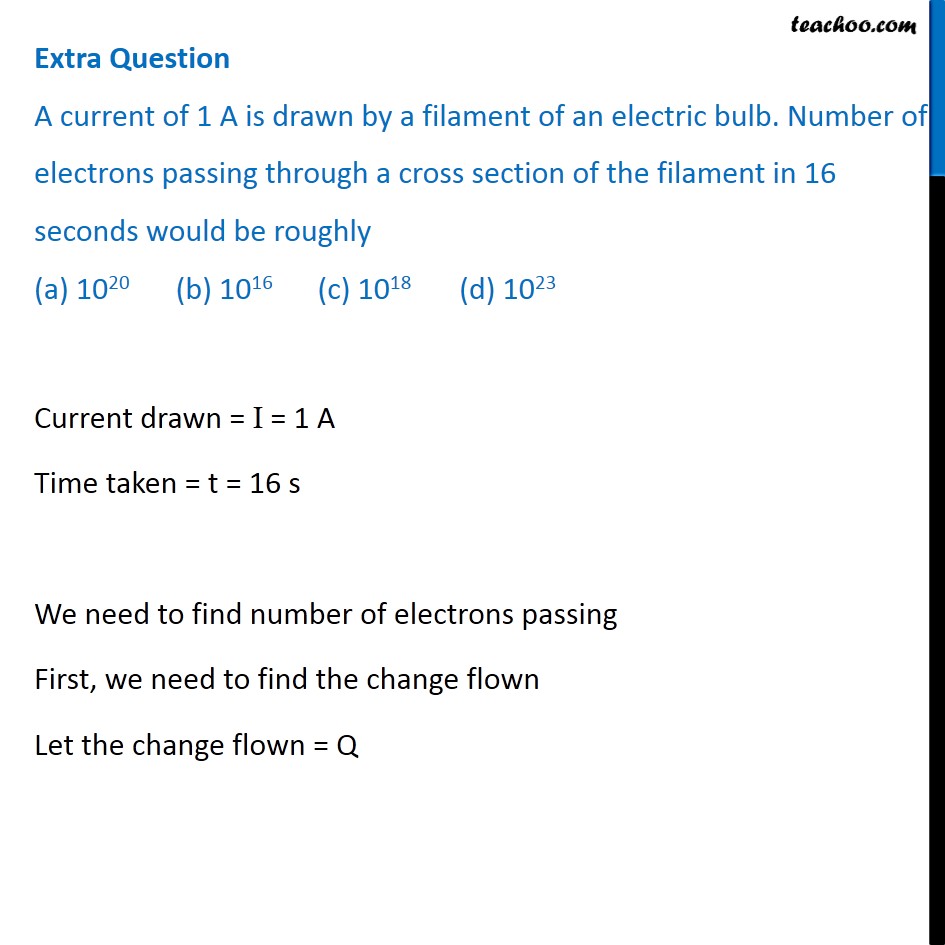
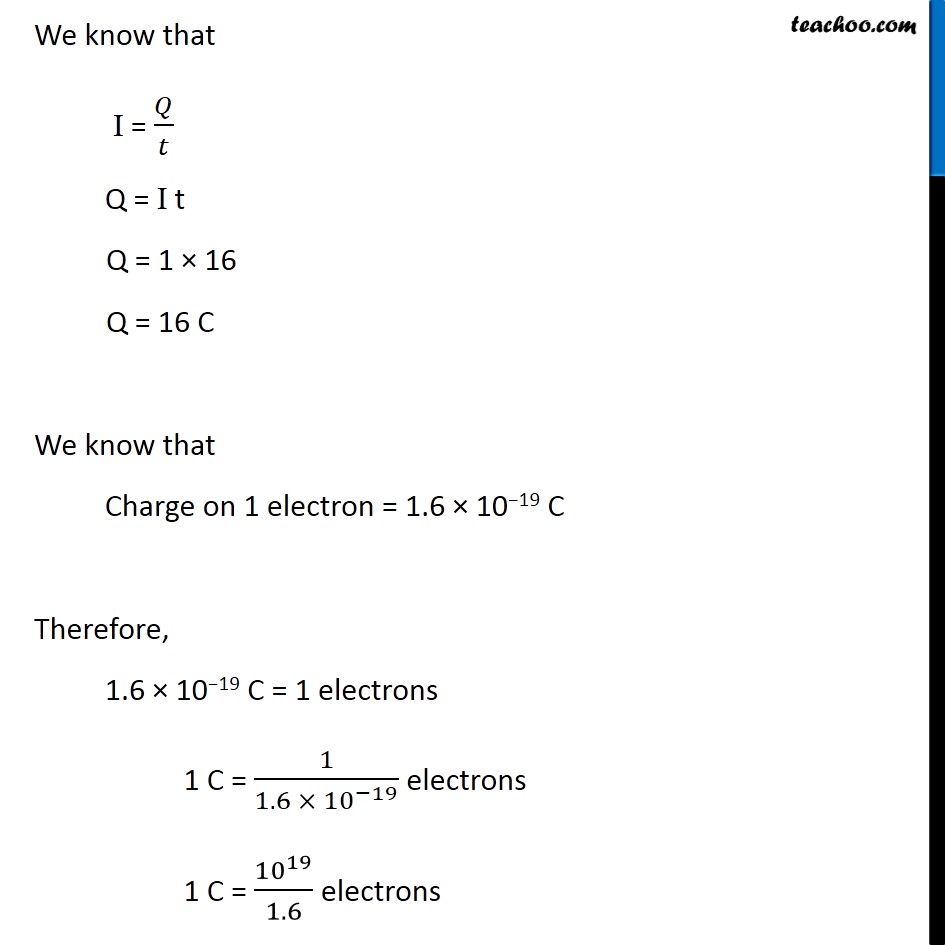
A current of 1 A is drawn by a filament of an electric bulb. Number of electrons passing through a cantankerous section of the filament in 16 seconds would exist roughly
(a) 10 20
(b) ten 16
(c) ten 18
(d) ten 23
Answer
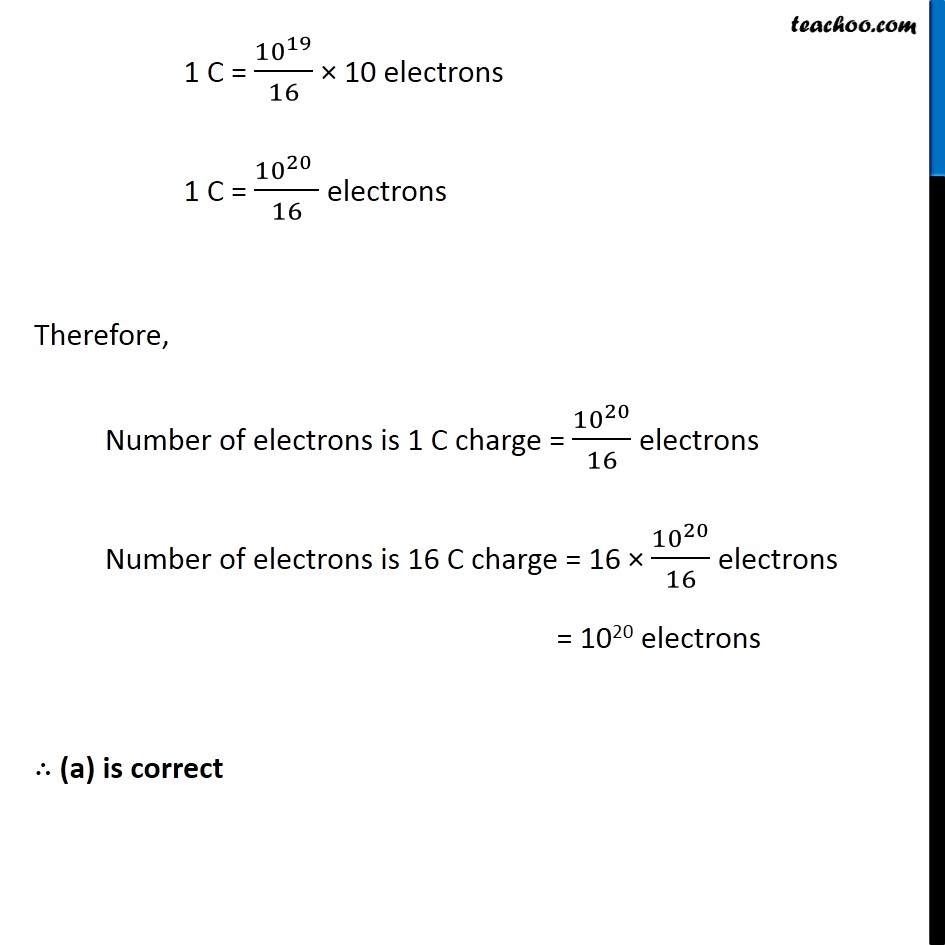
What is the maximum resistance which tin be made using five resistors each of 1/5 Ω?
(a) i/v Ω
(b) 10 Ω
(c) 5 Ω
(d) 1 Ω
Reply
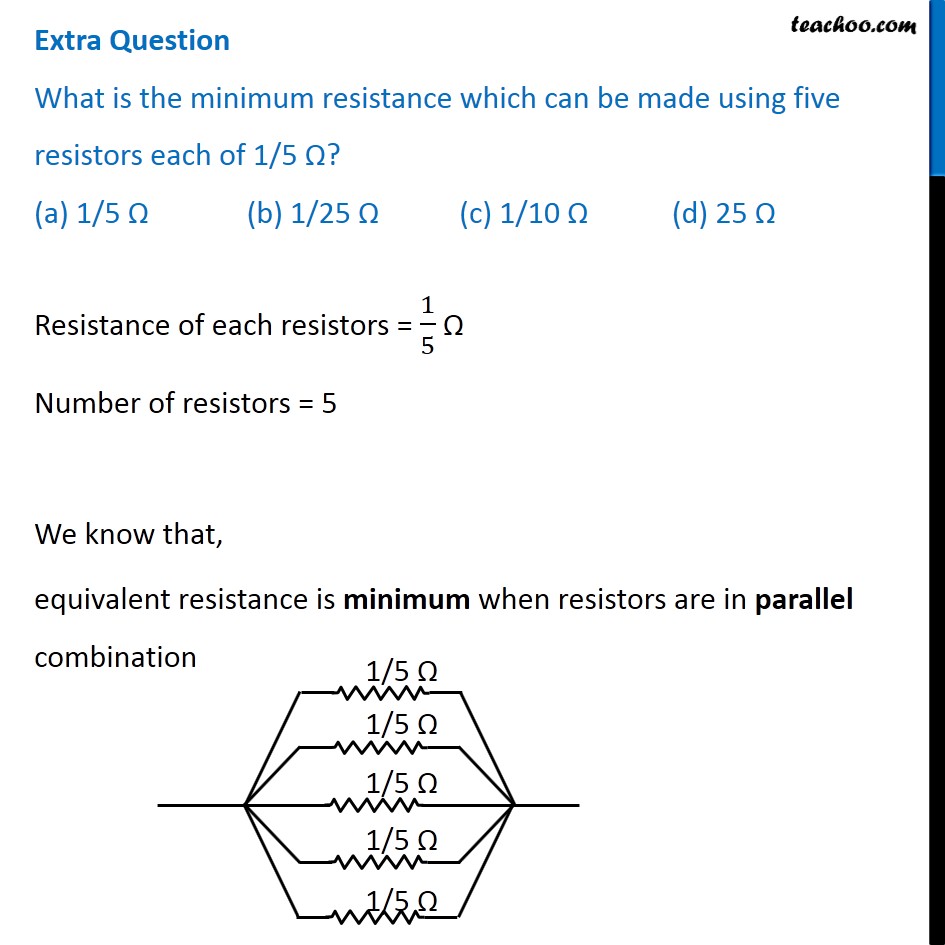
What is the minimum resistance which tin be made using v resistors each of one/v Ω?
(a) 1/five Ω
(b) i/25 Ω
(c) one/10 Ω
(d) 25 Ω
Reply
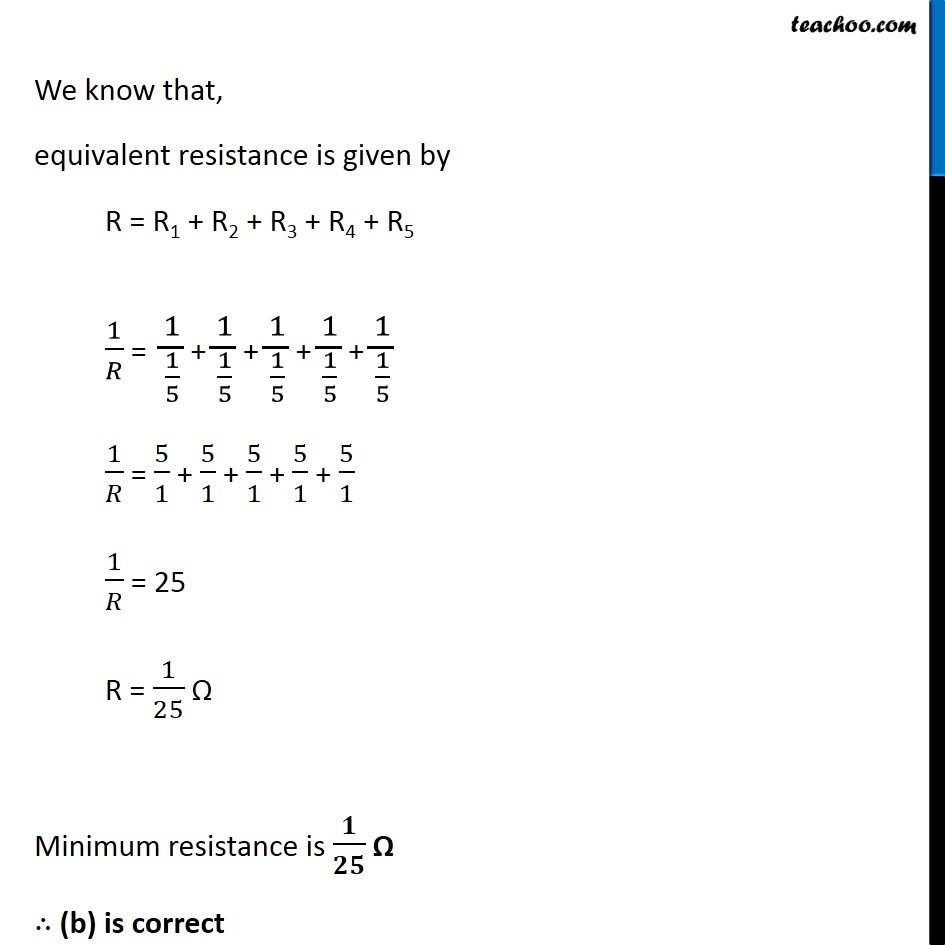
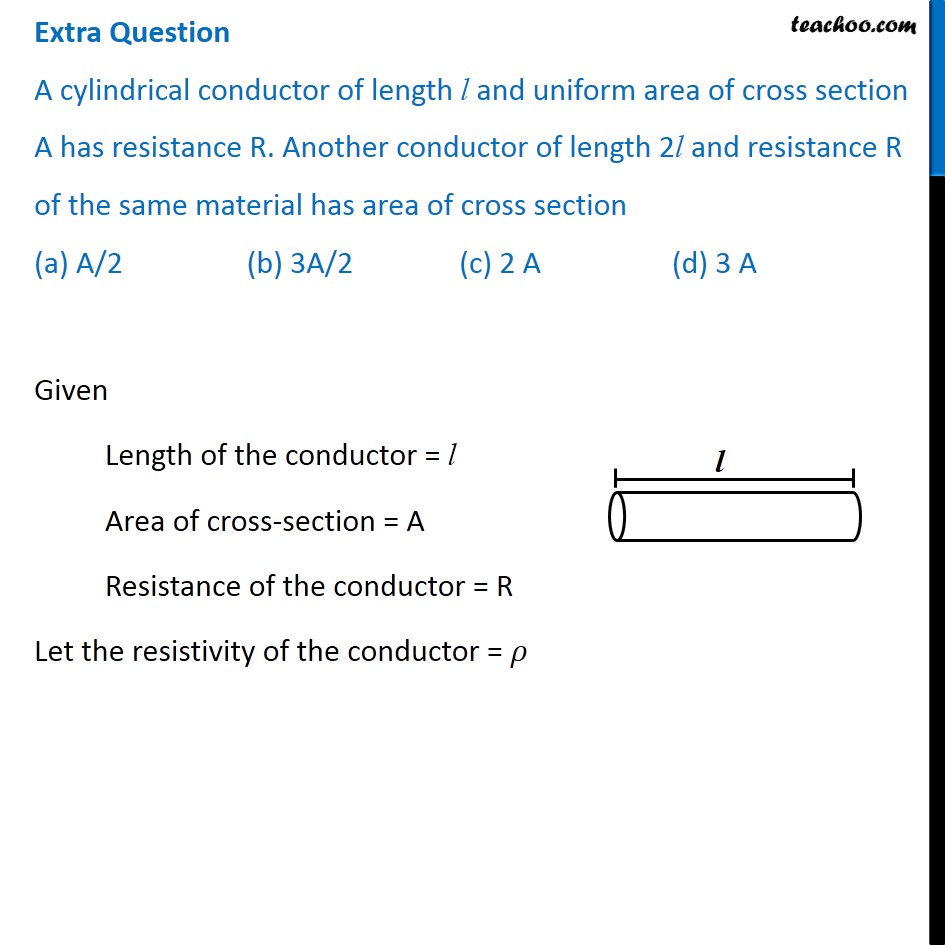
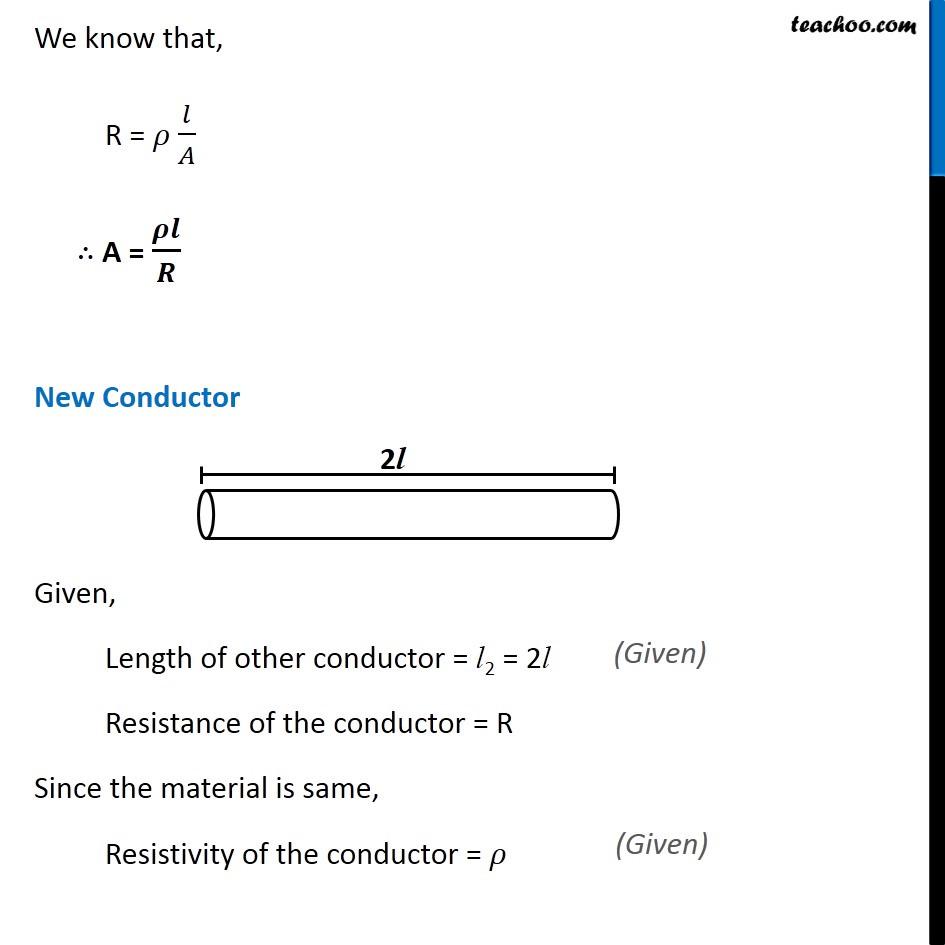
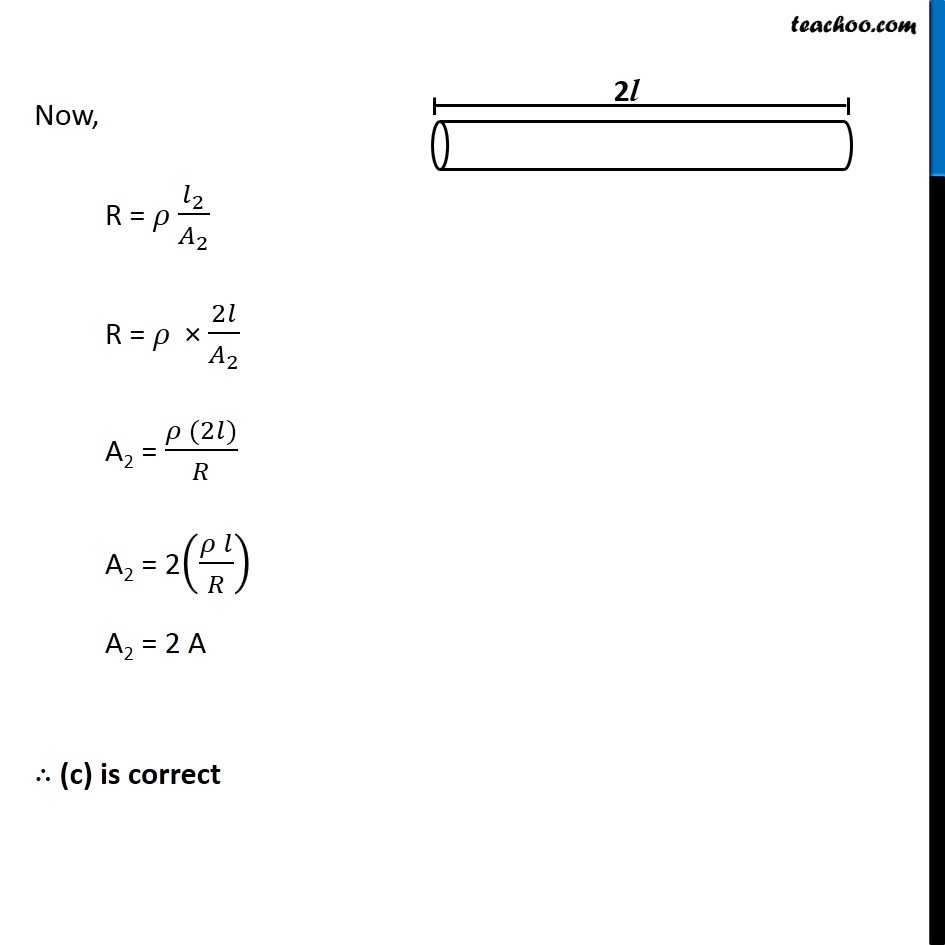
A cylindrical conductor of length l and compatible area of cross section A has resistance R. Another conductor of length 2l and resistance R of the same material has area of cantankerous department
(a) A/2
(b) 3A/2
(c) 2A
(d) 3A
Reply
The resistivity does not change if
(a) the cloth is changed
(b) the temperature is changed
(c) the shape of the resistor is changed
(d) both material and temperature are changed
Respond
the shape of the resistor is changed
Explanation - The resistivity of a substance depends on the nature of the fabric and the physical conditions similar temperature.
Information technology does not depend on the shape of the resistor.
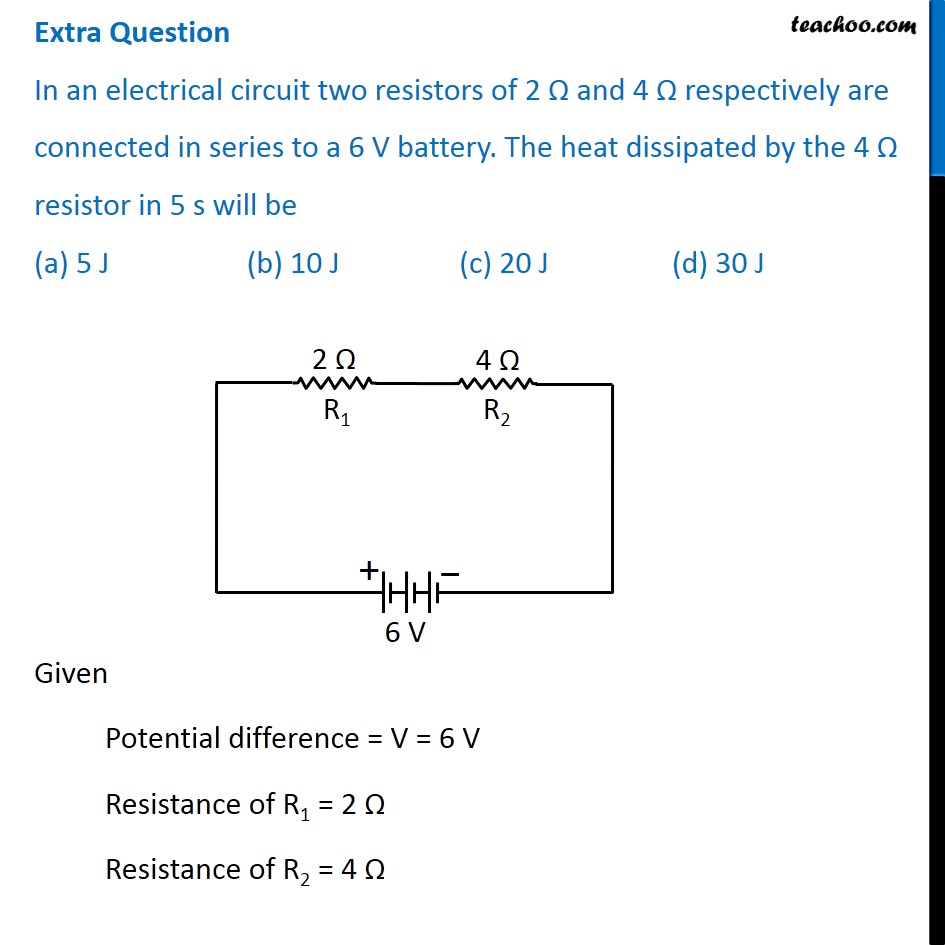
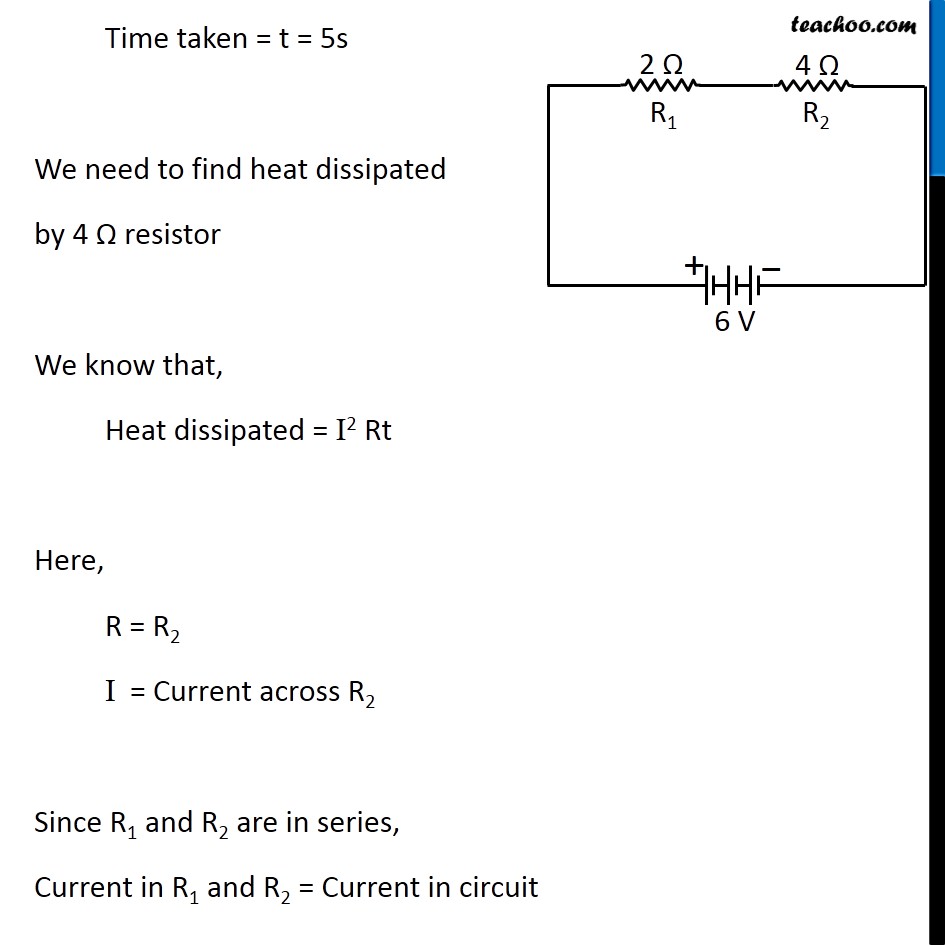
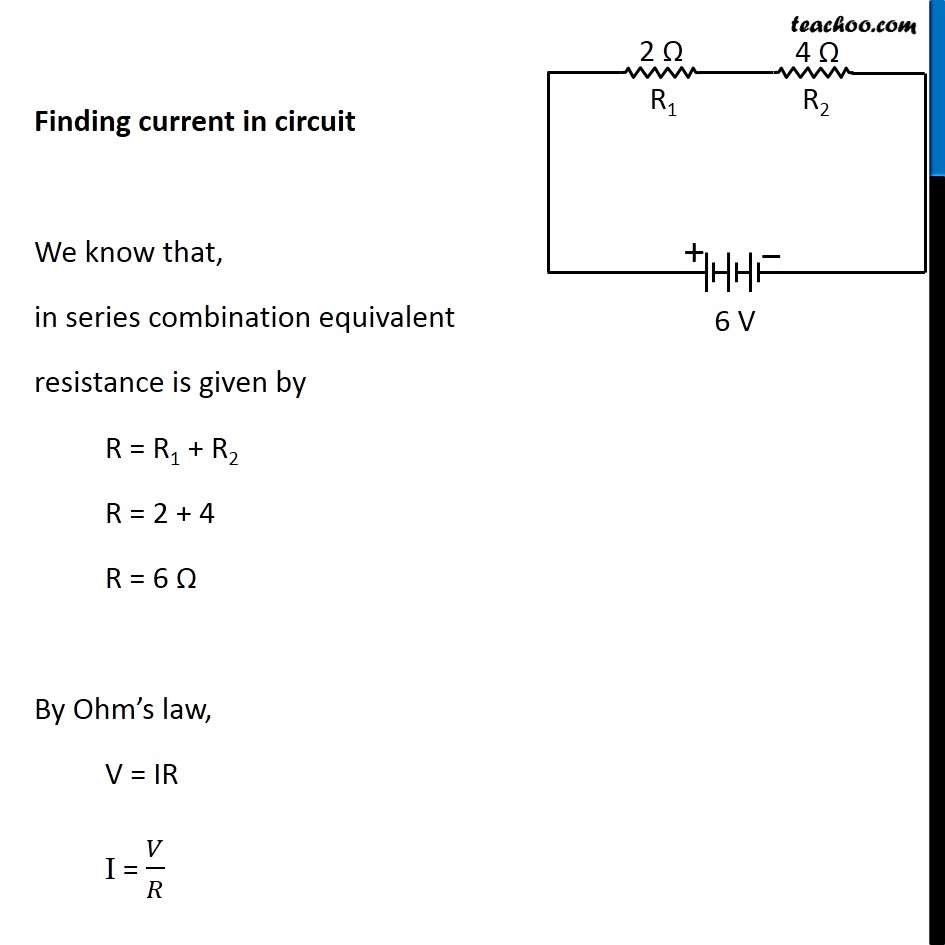
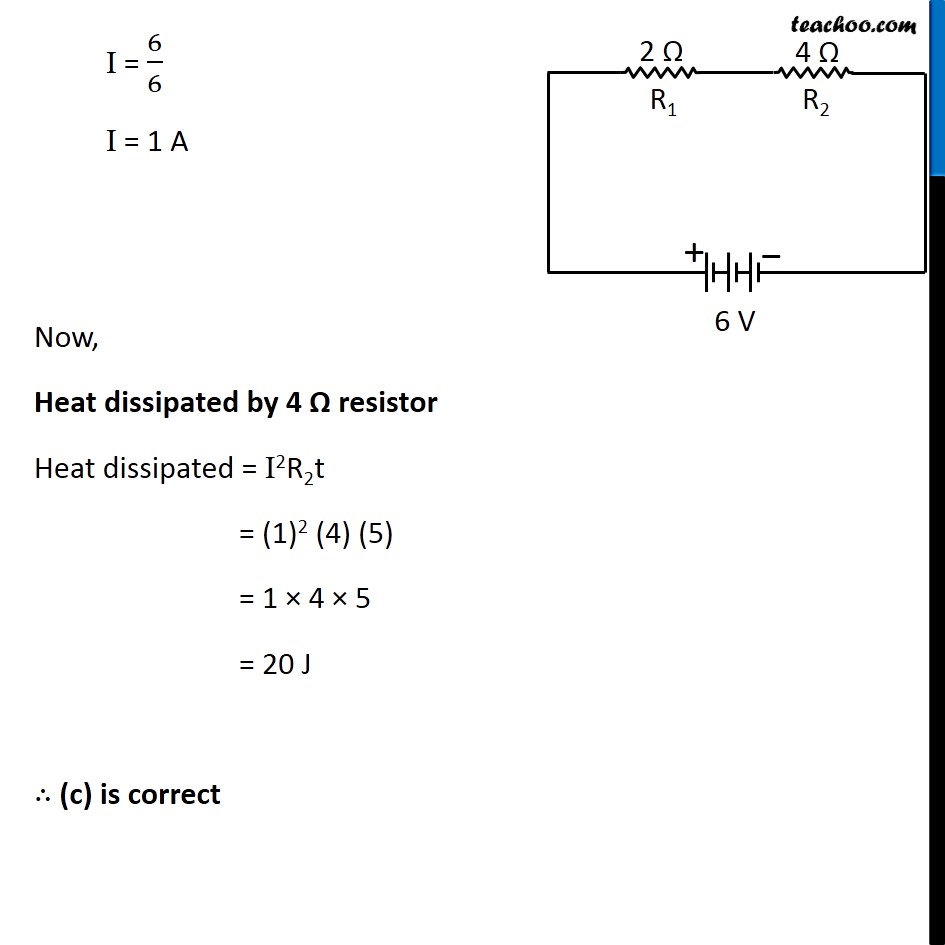
In an electrical circuit two resistors of 2 Ω and 4 Ω respectively are connected in series to a 6 V battery. The rut prodigal by the 4 Ω resistor in 5 south volition be
(a) five J
(b) 10 J
(c) 20 J
(d) 30 J
Respond
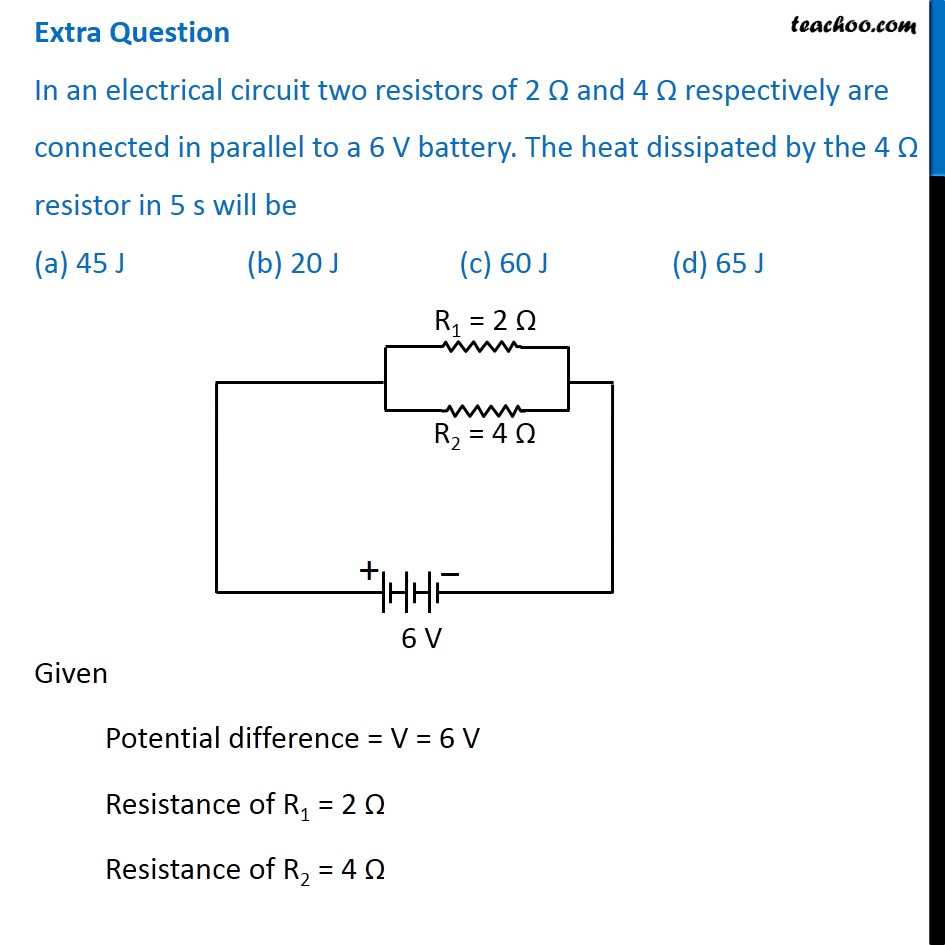
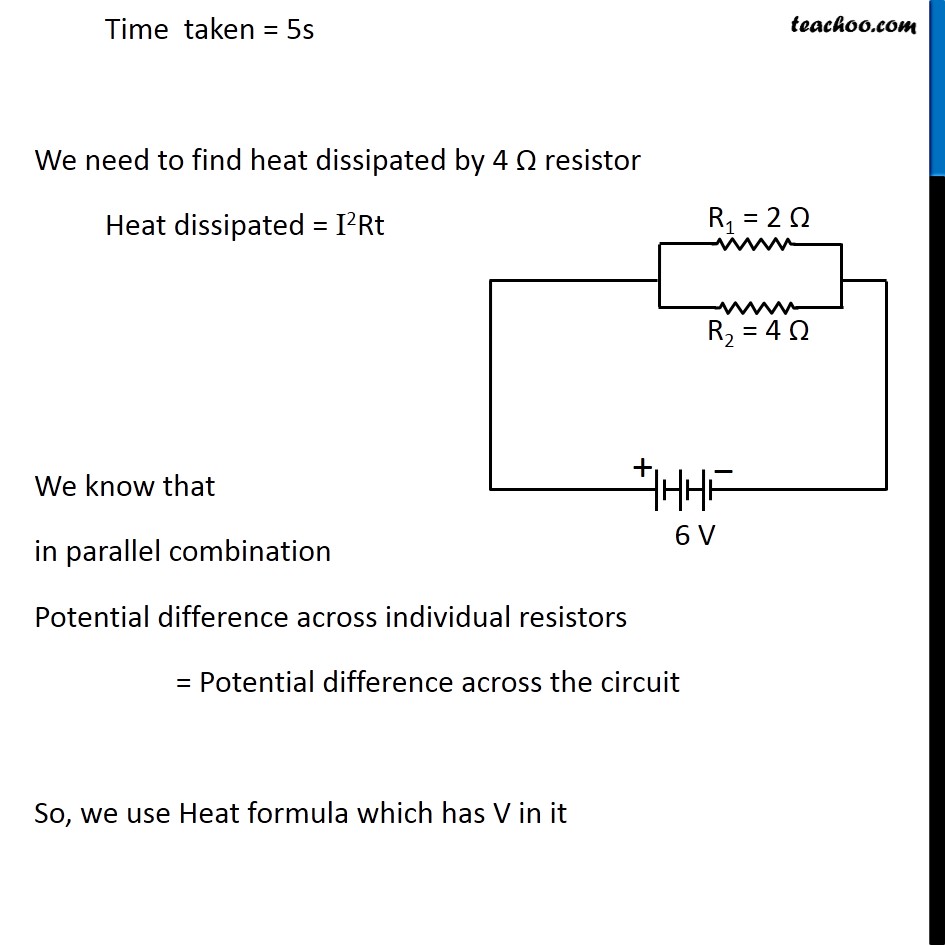
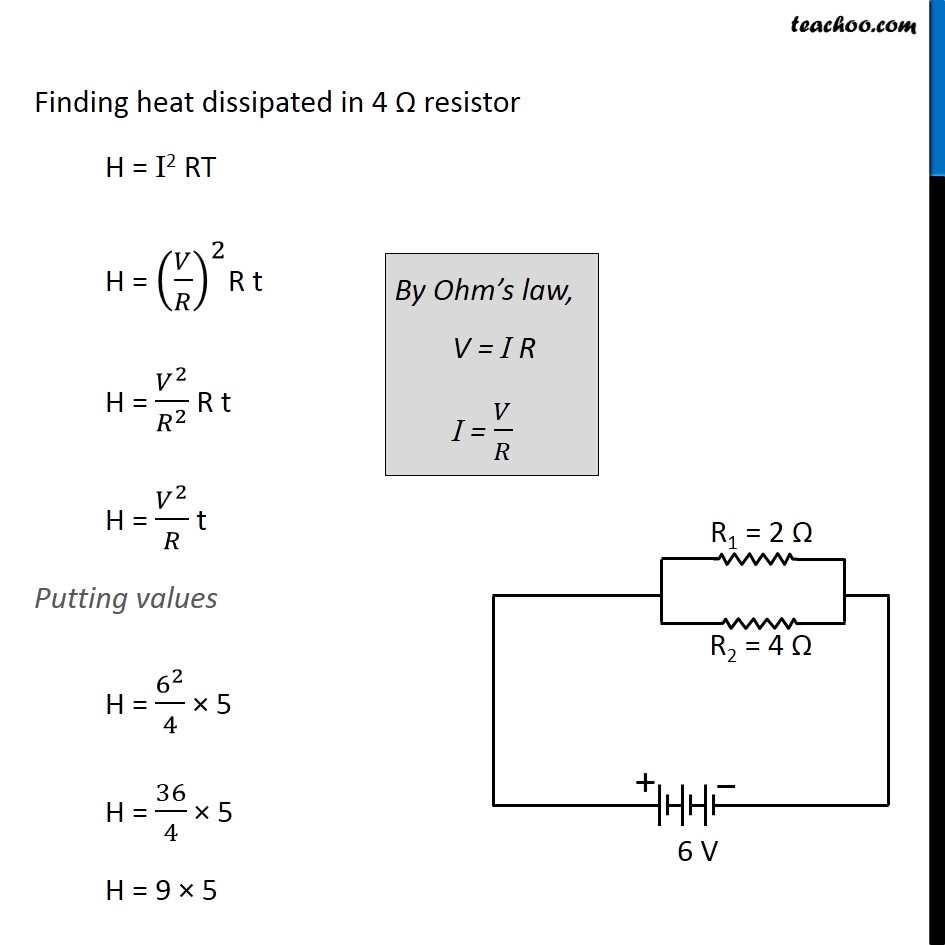
In an electric circuit two resistors of two Ω and 4 Ω respectively are connected in parallel to a half dozen V battery. The heat prodigal past the iv Ω resistor in v due south will be
(a) 45 J
(b) xx J
(c) sixty J
(d) 35 J
Answer
A cell, a resistor, a key and ammeter are arranged every bit shown in the circuit diagrams below. The current recorded in the ammeter will be
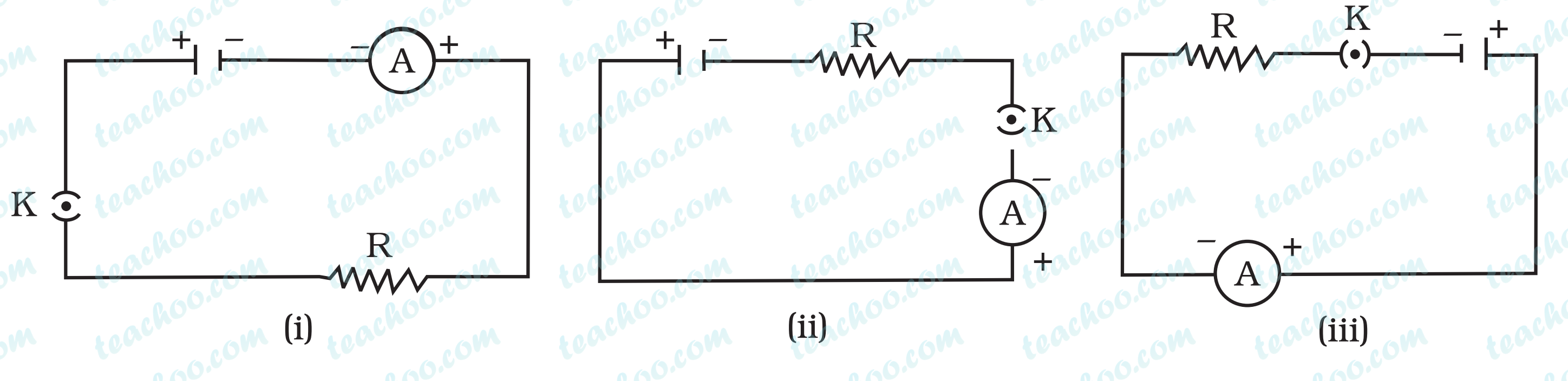
(a) maximum in (i)
(b) maximum in (two)
(c) maximum in (three)
(d) the aforementioned in all the cases
Reply
(d) the aforementioned in all the cases
Caption - The electric current flowing in a circuit does non depend upon the arrangement of the dissimilar components, unless they are continued in a different way (Series is inverse into parallel, or vice versa.
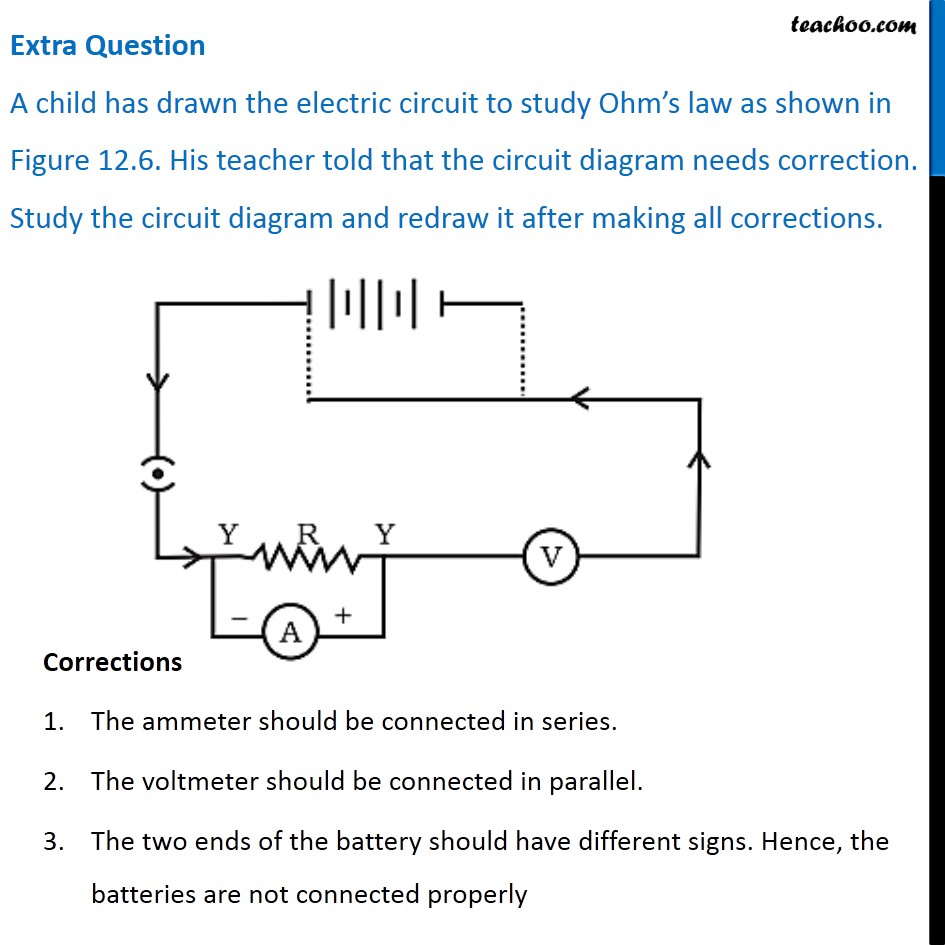
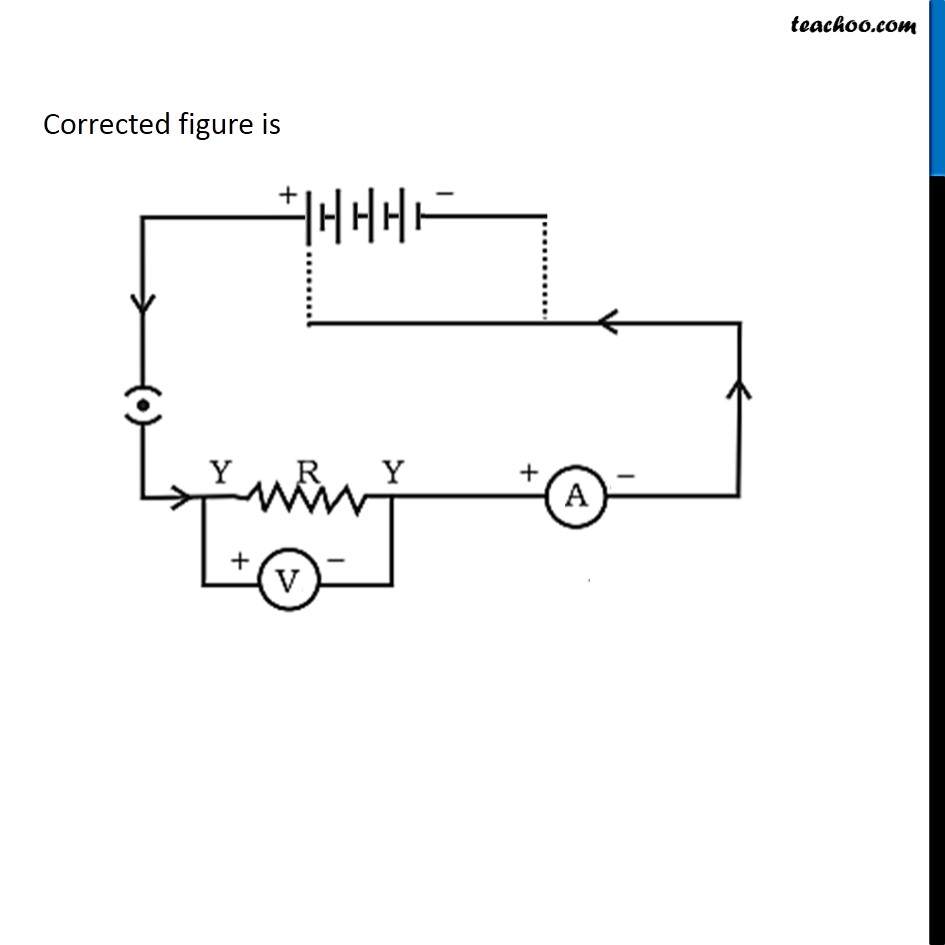
A child has drawn the electric circuit to report Ohm's law equally shown in Figure 12.6. His teacher told that the circuit diagram needs correction. Study the circuit diagram and redraw it later making all corrections.
Answer
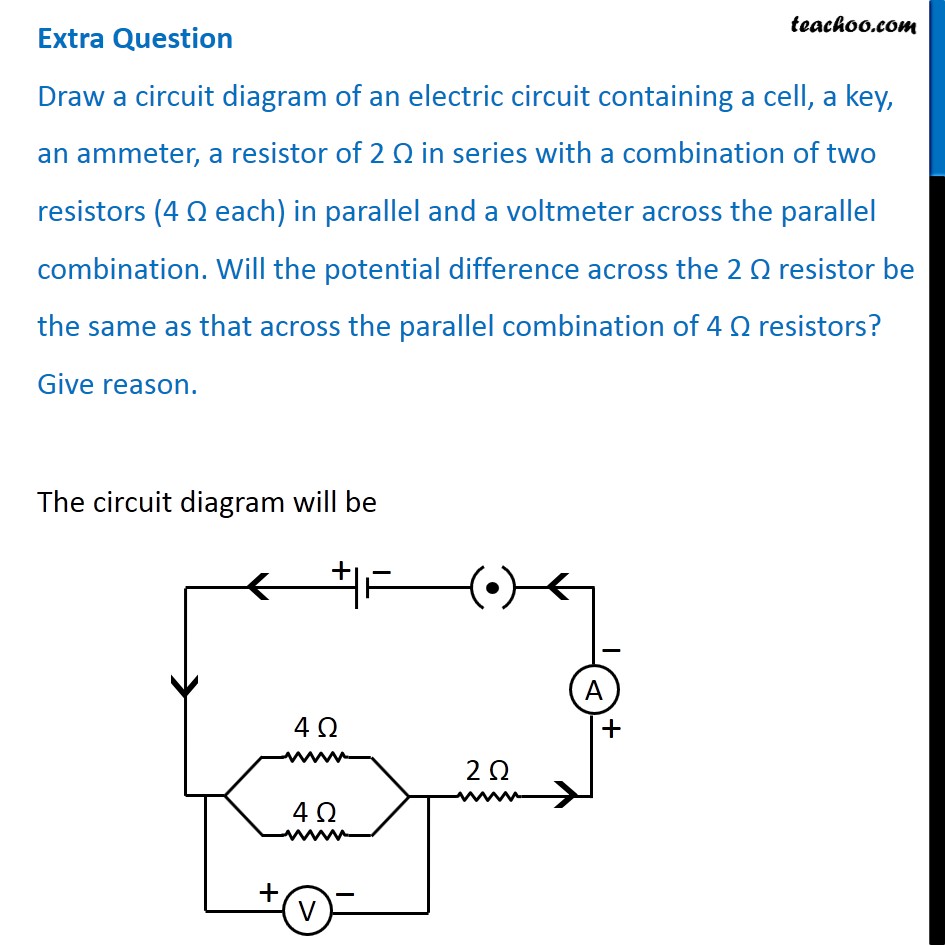
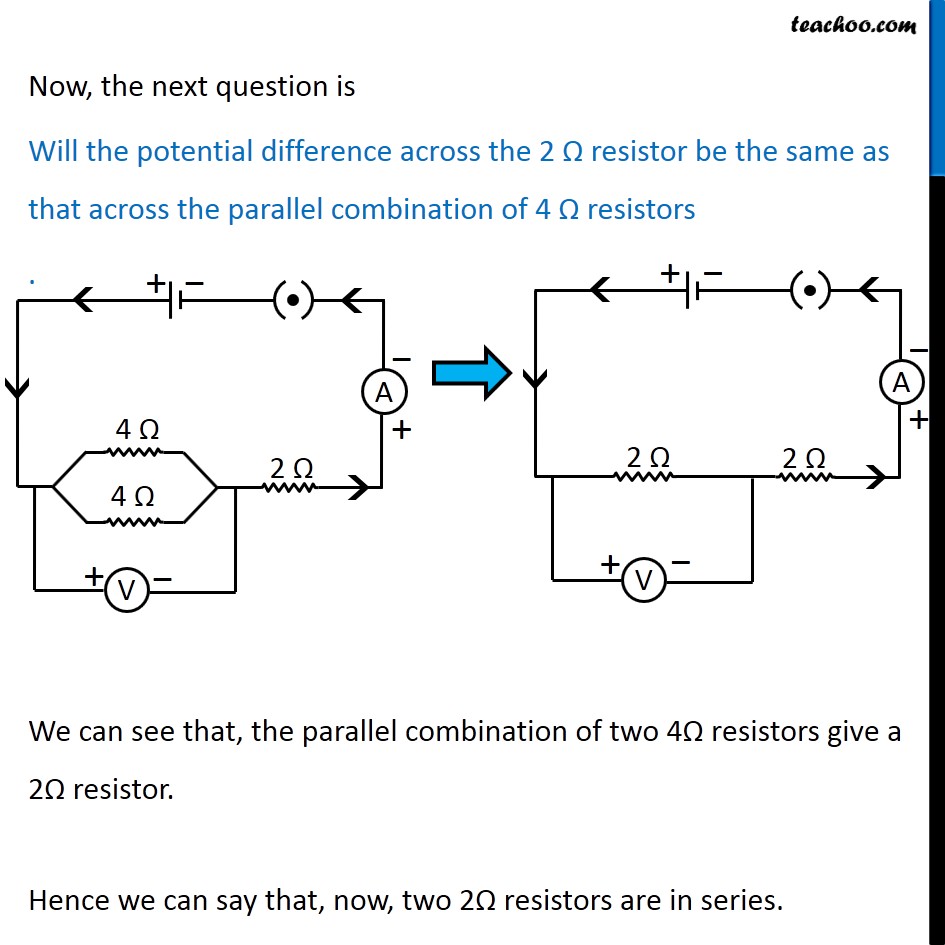
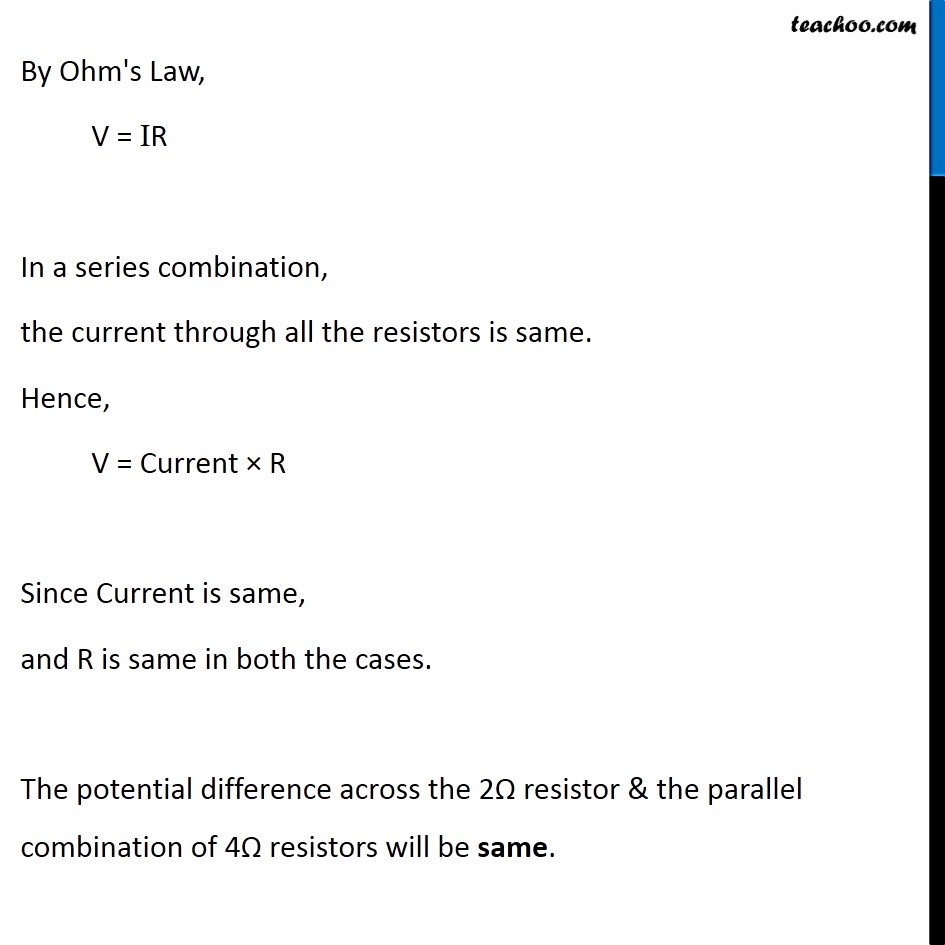
Draw a excursion diagram of an electric excursion containing a prison cell, a cardinal, an ammeter, a resistor of two Ω in series with a combination of two resistors (4 Ω each) in parallel and a voltmeter across the parallel combination. Will the potential difference across the 2 Ω resistor be the same as that across the parallel combination of 4Ω resistors? Give reason.
Answer
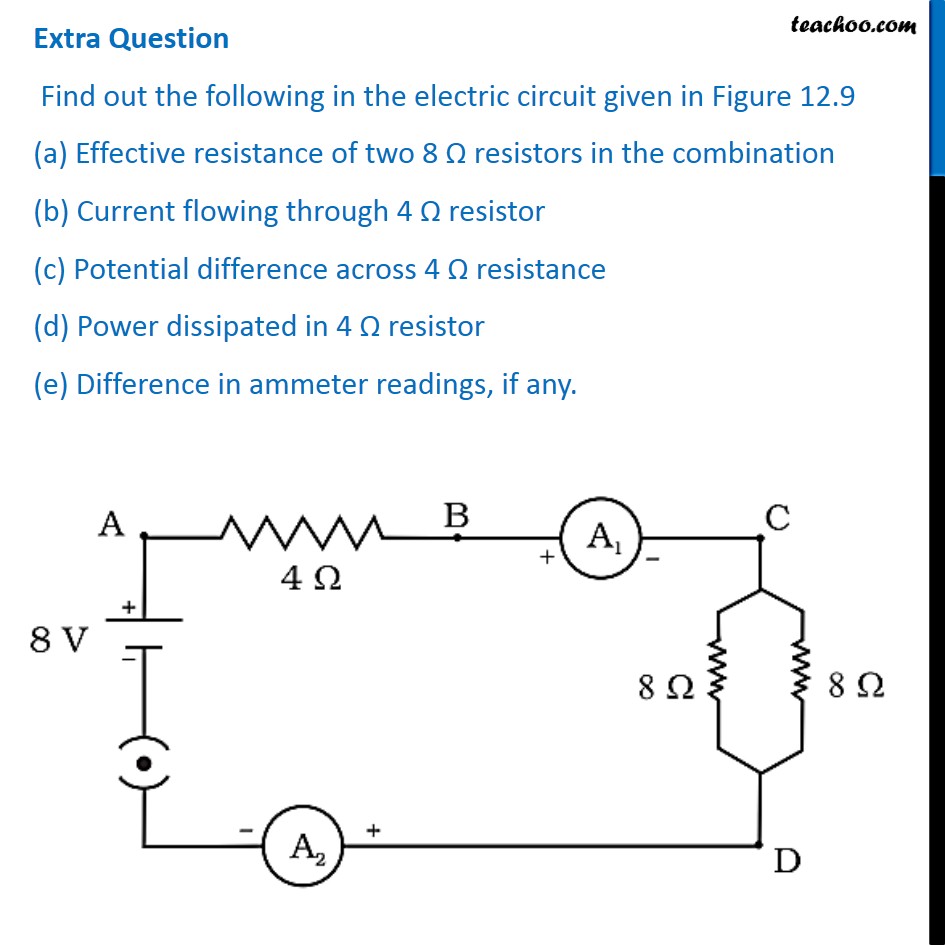
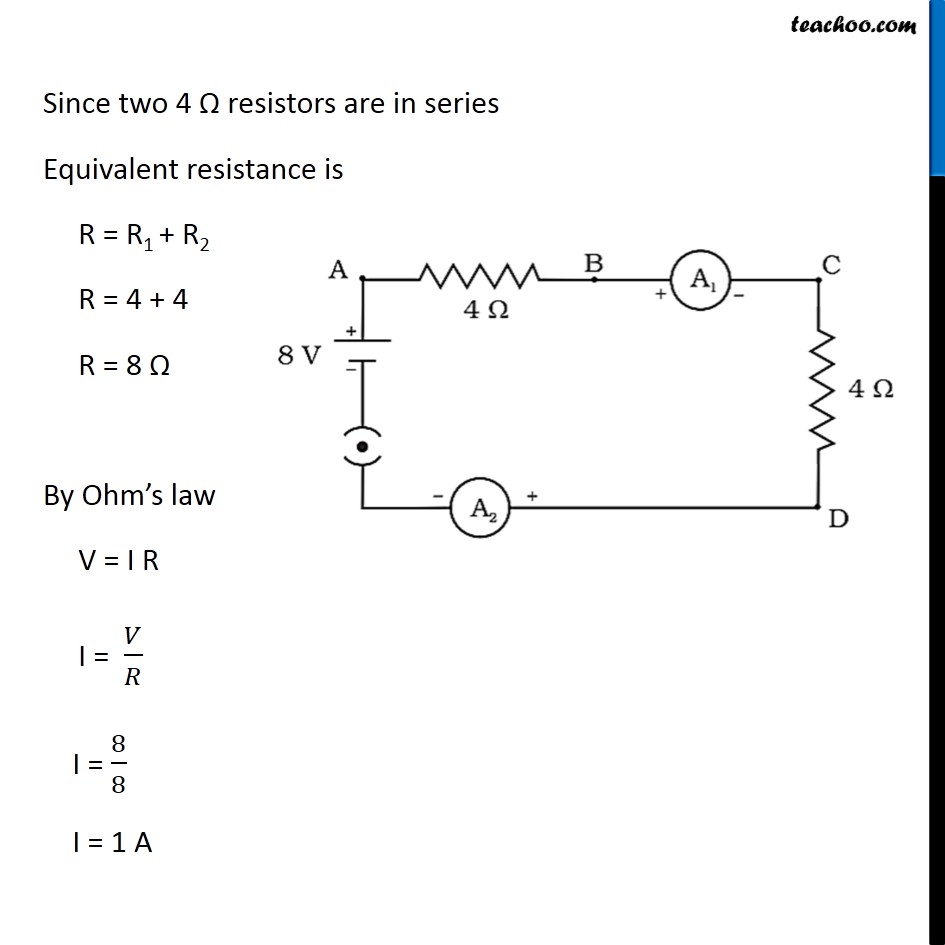
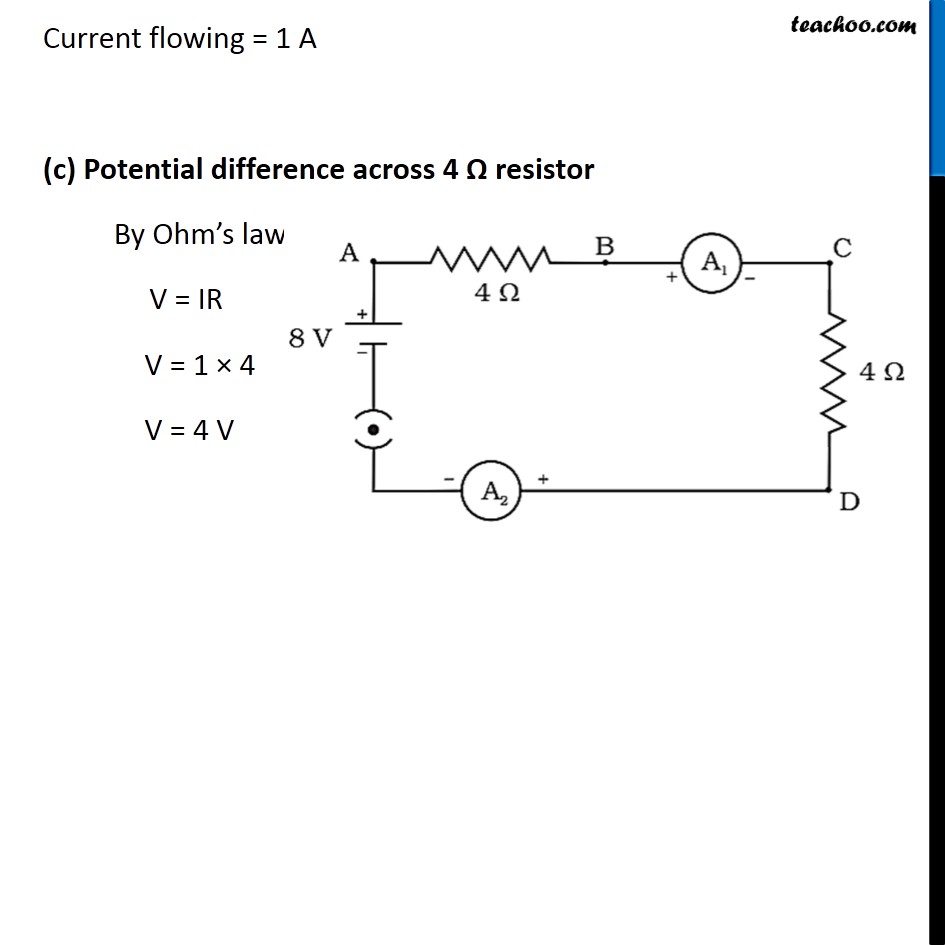
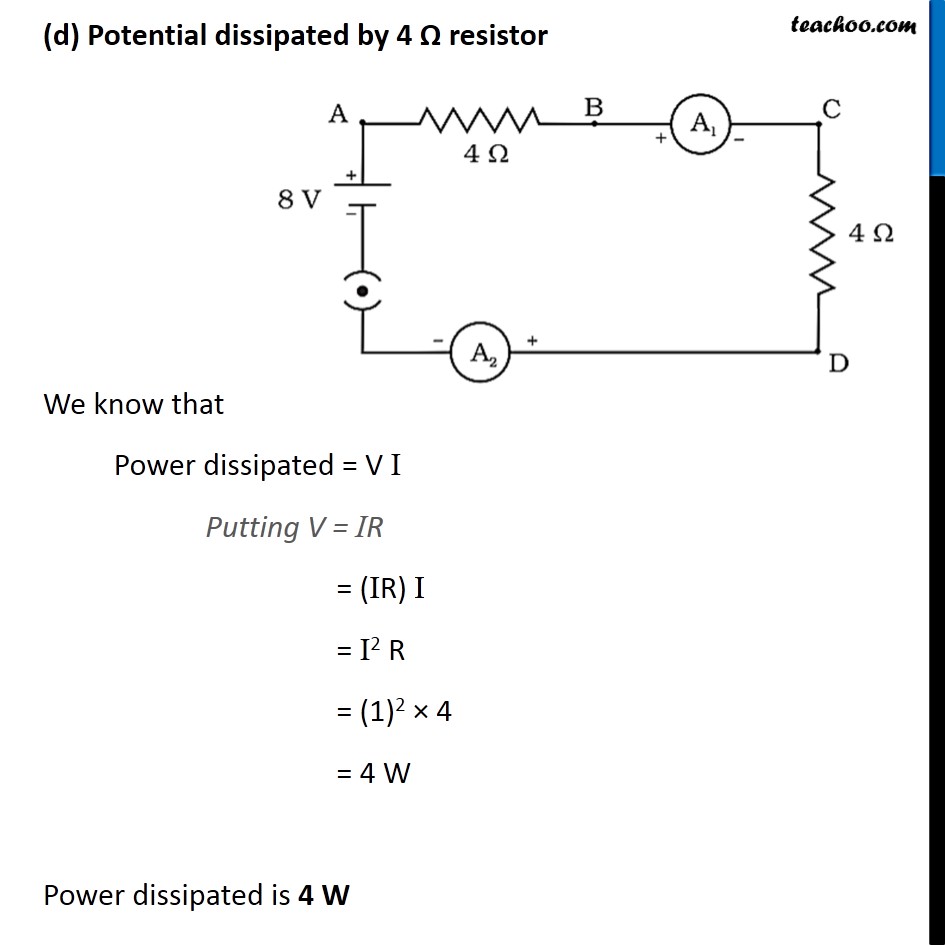
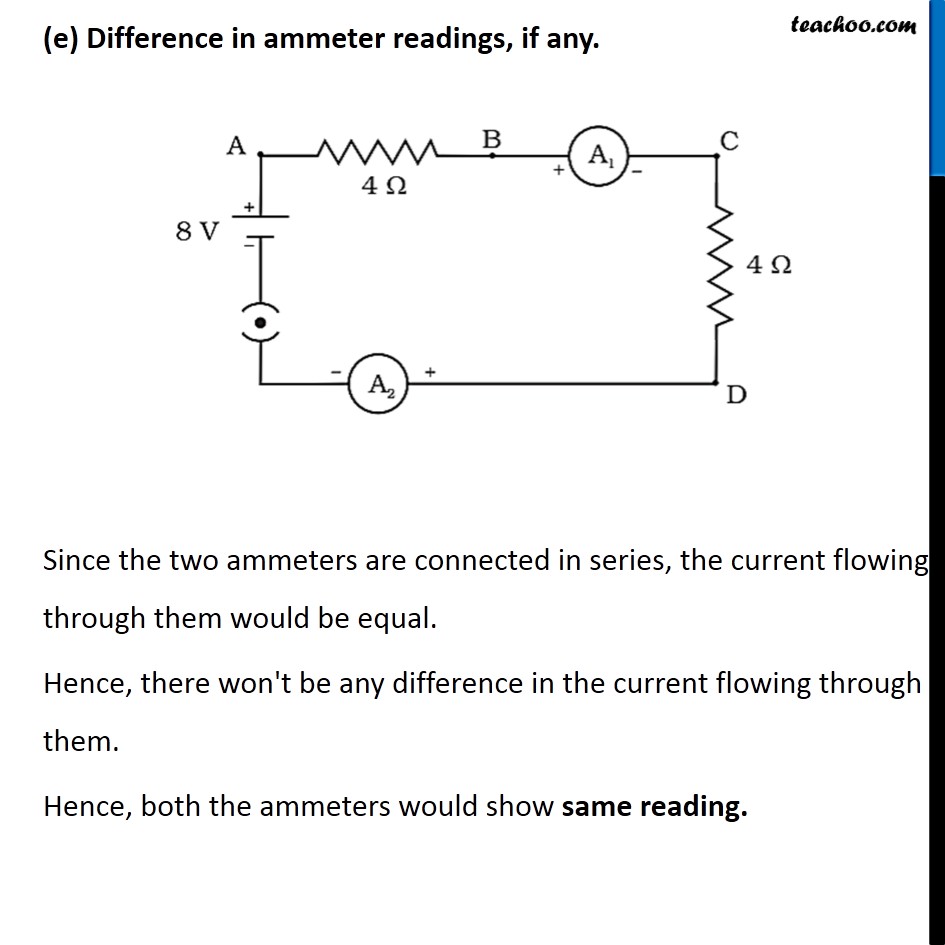
Find out the following in the electric circuit given in Figure 12.9
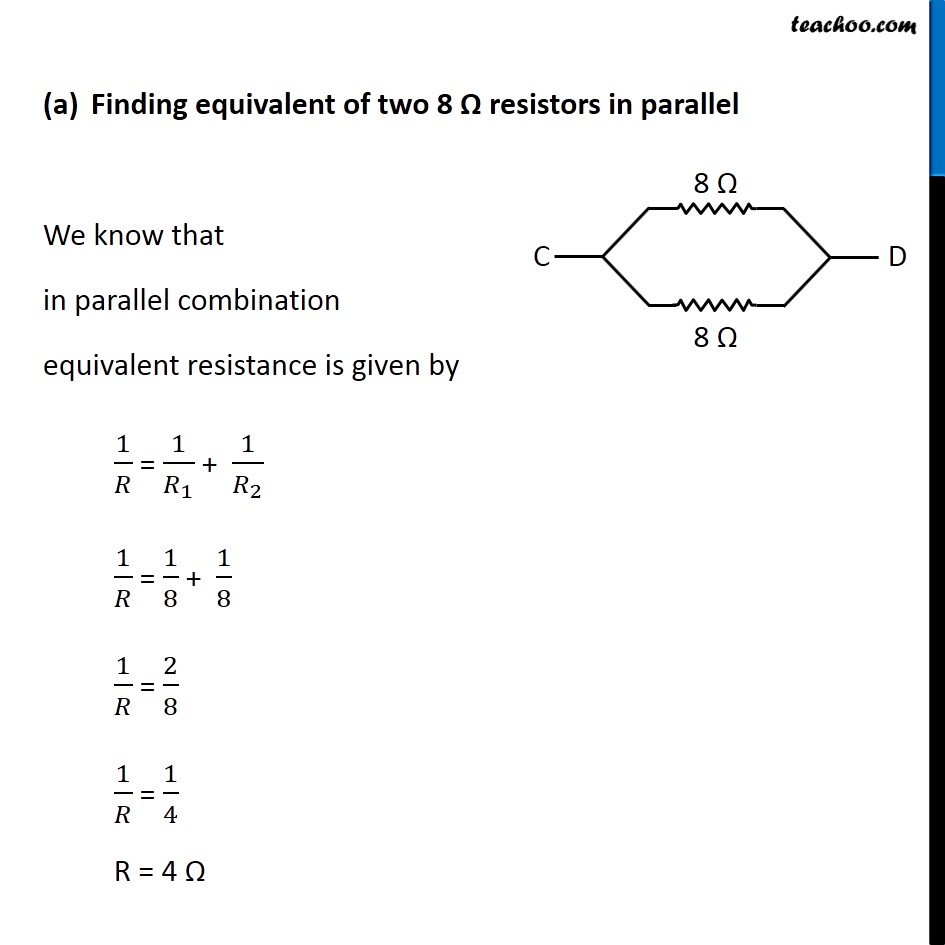
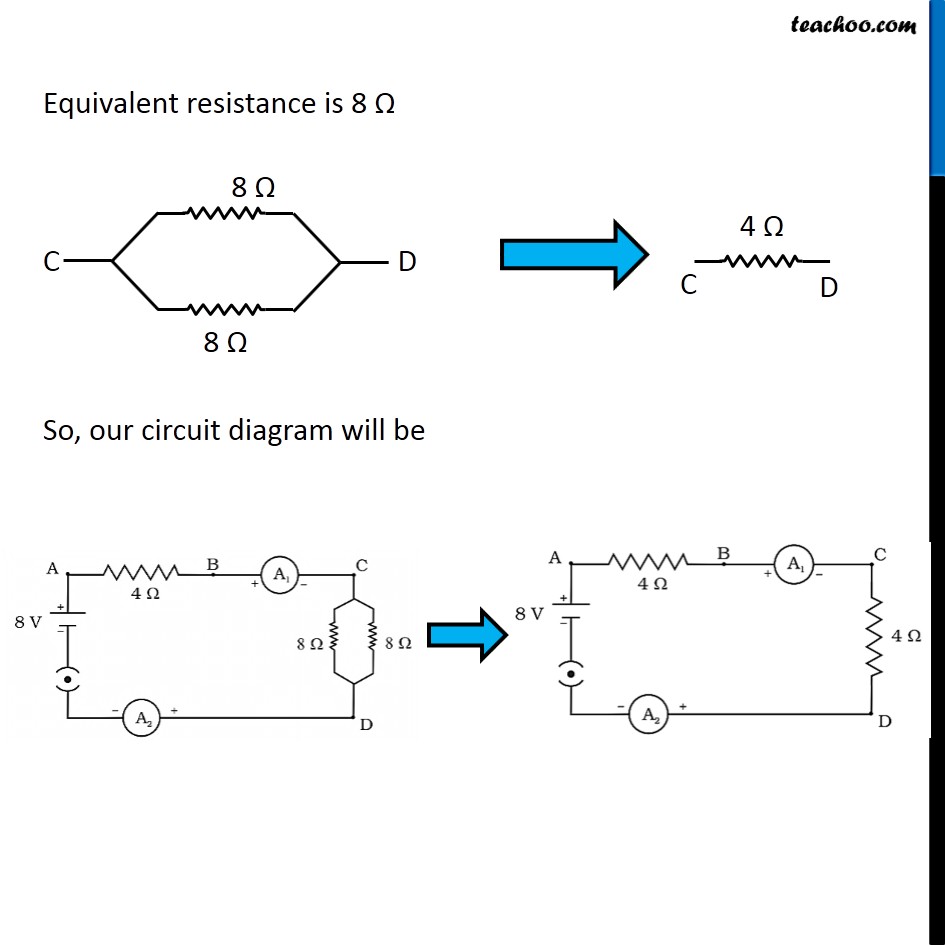
(a) Constructive resistance of two viii Due west resistors in the combination
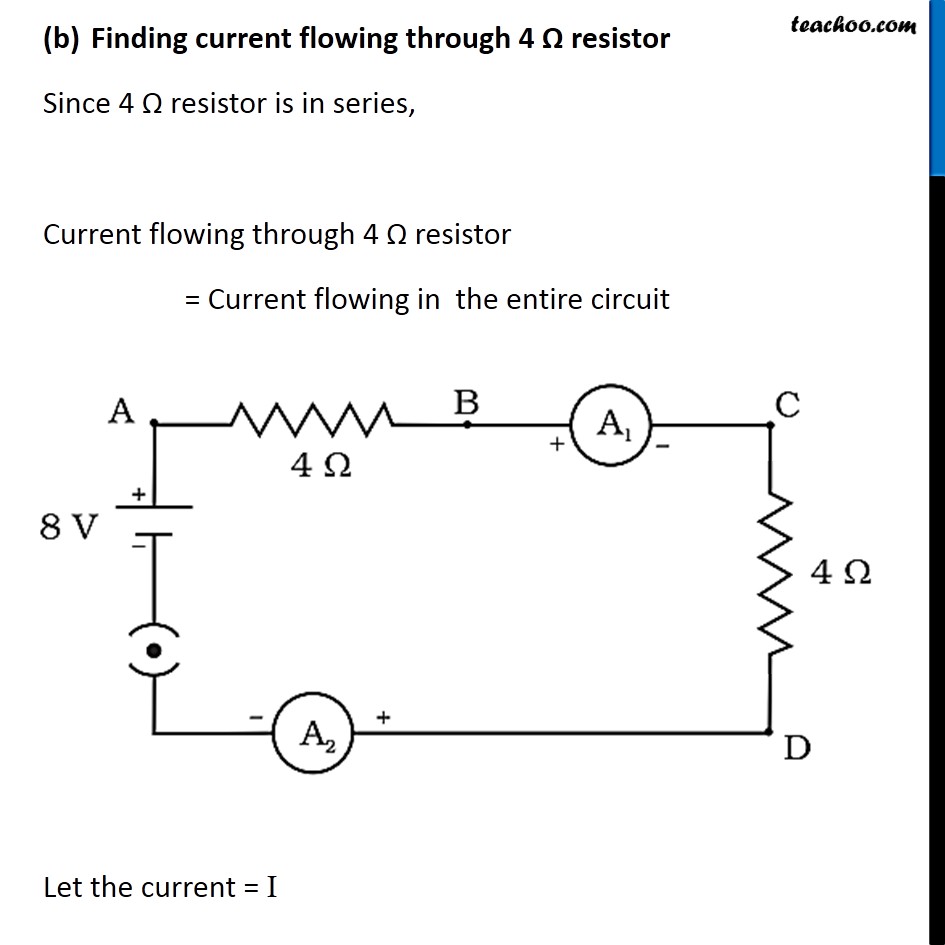
(b) Current flowing through four W resistor
(c) Potential divergence across 4 W resistance
(d) Power prodigal in 4 W resistor
(e) Difference in ammeter readings, if any.
Answer
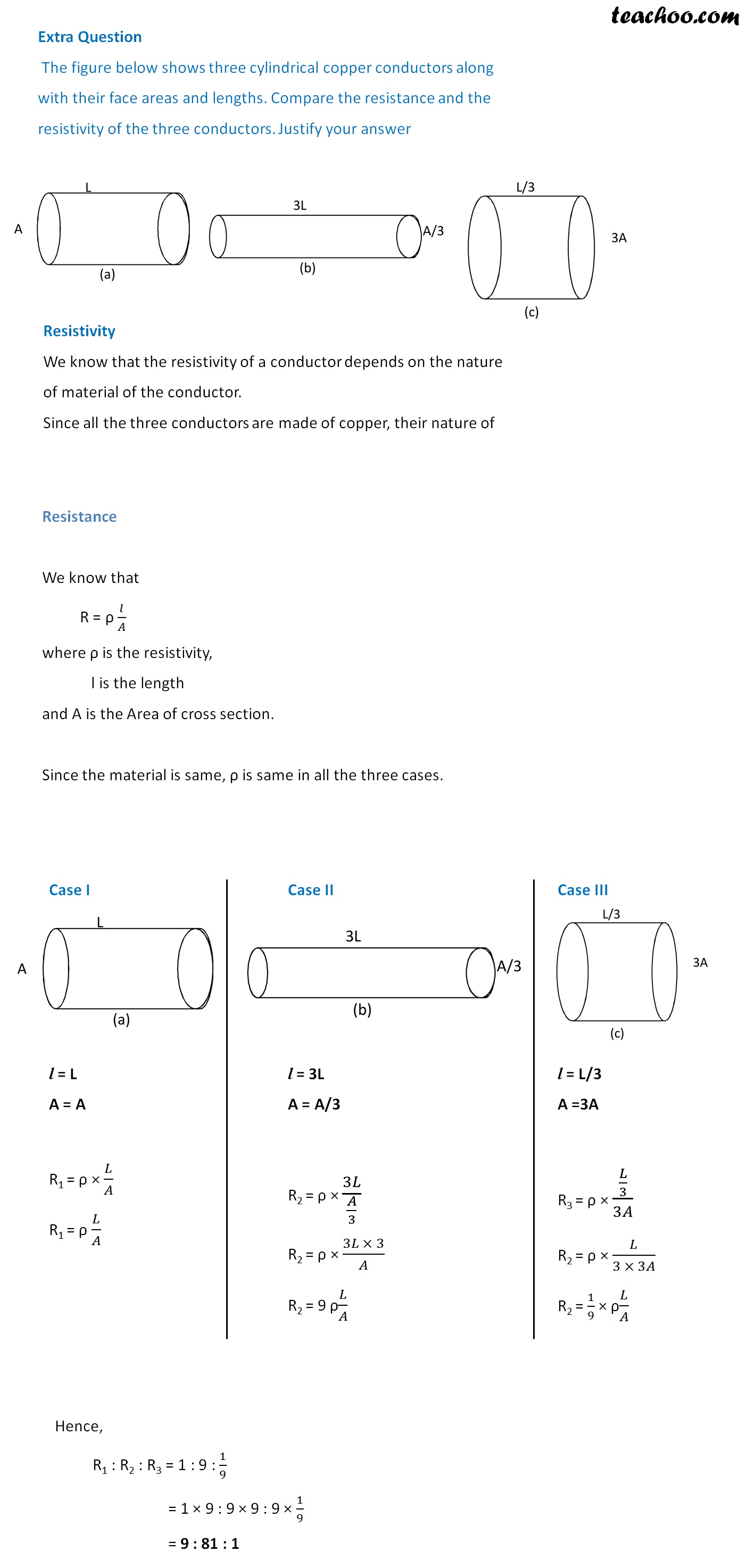
The figure below shows three cylindrical copper conductors along with their face up areas and lengths. Compare the resistance and the resistivity of the three conductors. Justify your answer
Answer
The current flowing through a resistor continued in an electric circuit and the potential difference adult beyond its ends are shown in the given ammeter and voltmeter. Observe the least count of the voltmeter and ammeter .What is the voltage and the current across the given resistor?
.jpg)
Reply
Finding least count
The smallest value that can be measured by a measuring instrument is called its to the lowest degree count.
Numerically,
To the lowest degree count = Value measure in N divisions/ N
| Ammeter | Voltmeter |
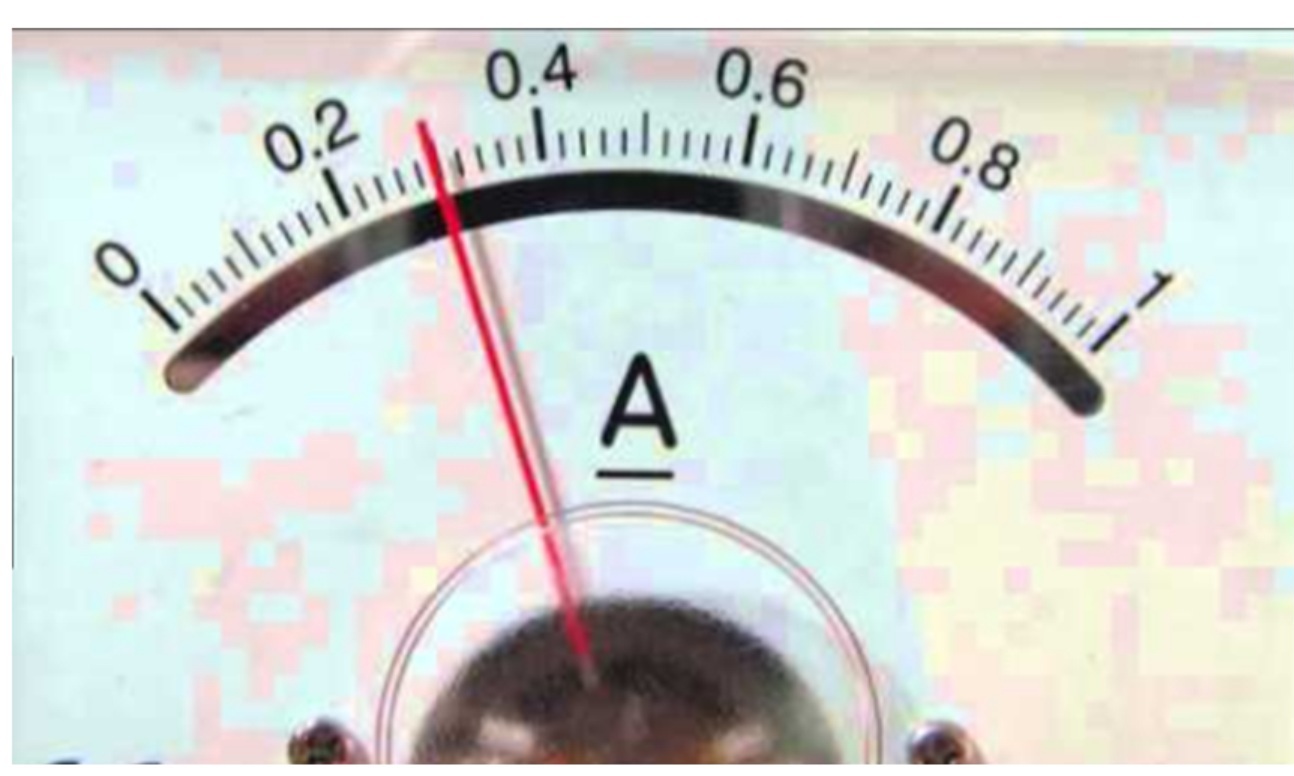 | 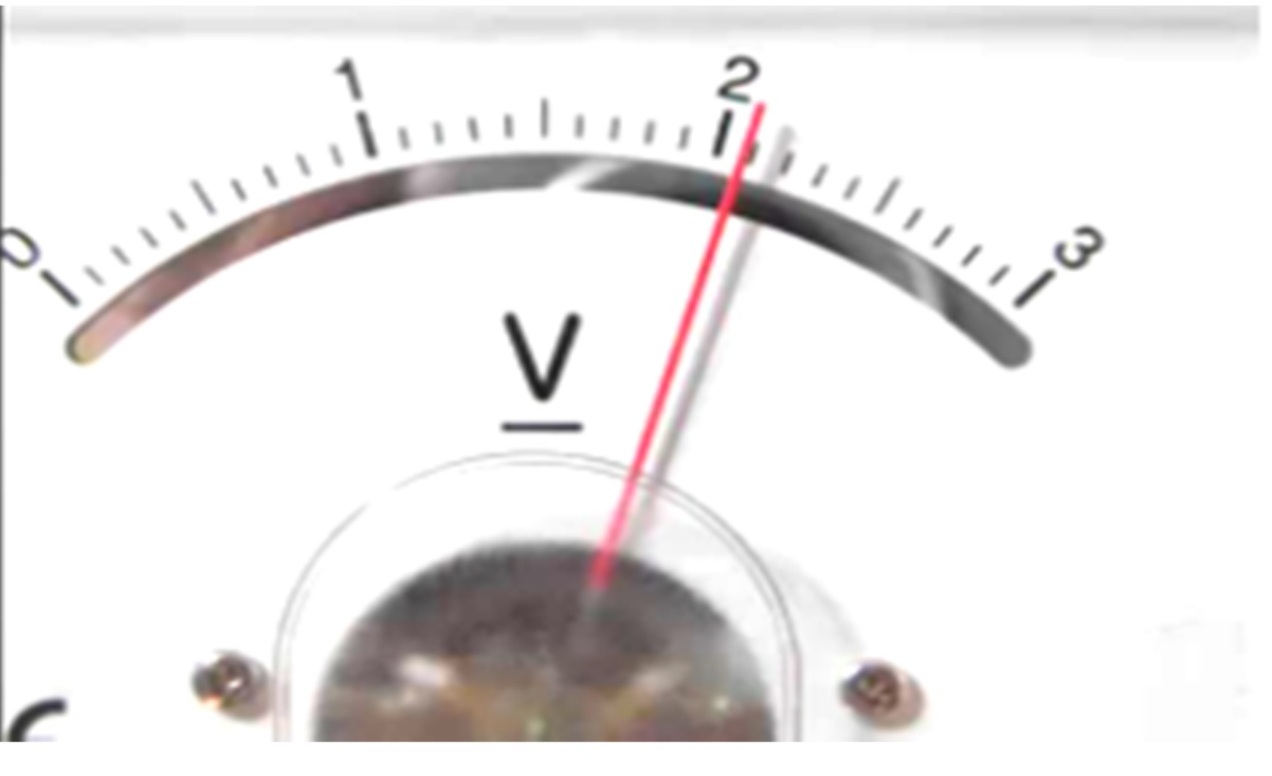 |
| We tin meet that, 10 divisions measure 0.2A current Therefore, | We tin see that, x divisions mensurate 1 5 potential departure Therefore, To the lowest degree count = i/ten = 0.1 V Least count of voltmeter is 0.i V |
Finding Current through the circuit
The electric current through the excursion is given past,
Current = Number of division the ammeter needle is pointing x least count
In the given figure, The ammeter needle is pointing on the 15th divison
Hence,
Current = Number of sectionalization the ammeter needle is pointing x to the lowest degree count
= 15 × 0.02
= fifteen × 2 / 100
= thirty / 100
= 3/10
= 0.3 A
The ammeter reading is 0.3 A.
Finding potential difference in the circuit
The potential difference in the circuit is given by,
Potential deviation = Number of division the voltmeter needle is pointing x least count
In the given figure, The voltmeter needle is pointing on the 21st divison
Hence,
Potential difference = Number of division the ammeter needle is pointing 10 to the lowest degree count
= 21 × 0.one
= 21 × 1/10
= 21/10
= two.one V
The voltmeter reading is ii.1V
In a given ammeter, a student sees that needle indicates 17 divisions in ammeter while performing an experiment to verify Ohm's police. If ammeter has 10 divisions between 0 and 0.5A, then what is the value respective to 17 divisions?
Respond
The current through the excursion is given by,
Current = Number of division the ammeter needle is pointing × least count
The smallest value that tin be measured by a measuring instrument is called its least count.
Numerically,
Least count = Value measure in N divisions/ Northward
According to the question,
At that place are ten divisions between 0 and 0.5A
Hence, 10 divisions mensurate 0.5A current
Therefore,
To the lowest degree count = Value mensurate in N divisions/ N
Least count = 0.5/10
= 5/ 10 × 10
= 5/ 100
= 0.05 A
To the lowest degree count of ammeter is 0.05 A
The electric current through the excursion is given past,
Current = Number of division the ammeter needle is pointing x least count
According to the question, The ammeter needle is pointing on the 17th divison
Hence,
Current = Number of division the ammeter needle is pointing × least count
= 17 × 0.05
= 17 × five / 100
= 85 / 100
= 0.85 A
The ammeter reading is 0.85 A.
ingramtheyearect1981.blogspot.com
Source: https://www.teachoo.com/10654/3084/Practice-Problems-for-Electricity-Class-10/category/Extra-Questions/
0 Response to "In the Circuit Shown Below the Readings of the Voltmeter and Ammeter Will Be"
Postar um comentário